
ICJ Rules Myanmar Committed Genocide Against Rohingya Minority
The International Court of Justice (ICJ) in The Hague has ruled that Myanmar committed genocide against the Rohingya minority, in a case brought by Gambia. This marks the first time the ICJ has held a state directly responsible for violating…

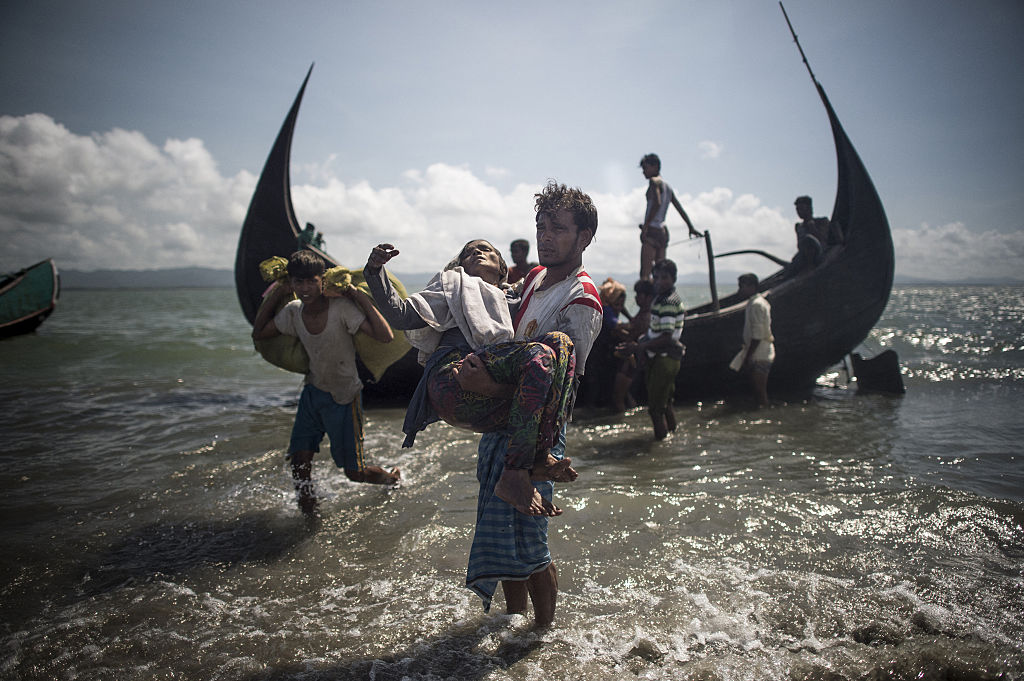
 Baton Rouge, LA, November 23, 2026 — The International Court of Justice (ICJ), located in The Hague, has delivered a significant ruling stating that Myanmar committed genocide against the Rohingya minority. The legal proceedings were initiated by Gambia, which brought the case before the principal judicial organ of the United Nations.
This landmark decision by the ICJ represents the first instance where the court has directly held a state responsible for violating the provisions of the 1948 Genocide Convention. The convention, adopted by the United Nations General Assembly, defines genocide as acts committed with intent to destroy, in whole or in part, a national, ethnical, racial or religious group.
The specific details of the ruling beyond the determination of genocide, such as the timeline of events leading to the ruling or the exact evidence considered by the court, were not provided in the available summary. Similarly, the summary does not specify any immediate consequences or required actions for Myanmar as a result of this judgment.
Gambia’s role as the plaintiff underscores the international legal framework designed to address grave human rights violations. The ruling by the ICJ carries significant weight in the international community’s efforts to ensure accountability for alleged genocidal acts.
The 1948 Genocide Convention aims to prevent and punish genocide. By ruling that Myanmar committed genocide, the ICJ has affirmed the convention’s authority and its application to state actors. This marks a critical moment in international law, setting a precedent for future cases concerning state responsibility for mass atrocities.
Story summarized from the original created by Parampreet Singh on time.com, see more information here.
Media gallery


